
Minimizing our environmental footprint2 and enhancing resource efficiency9 are fundamental to our approach. That’s why we work to improve the use of natural resources and increase material and resource efficiency throughout our production processes.2,3,9
LENZING™ ECOVERO™ is manufactured in a way that helps lower environmental impact2 while providing our partners with more conscious material choices.
From the essence of wood to essential fibers
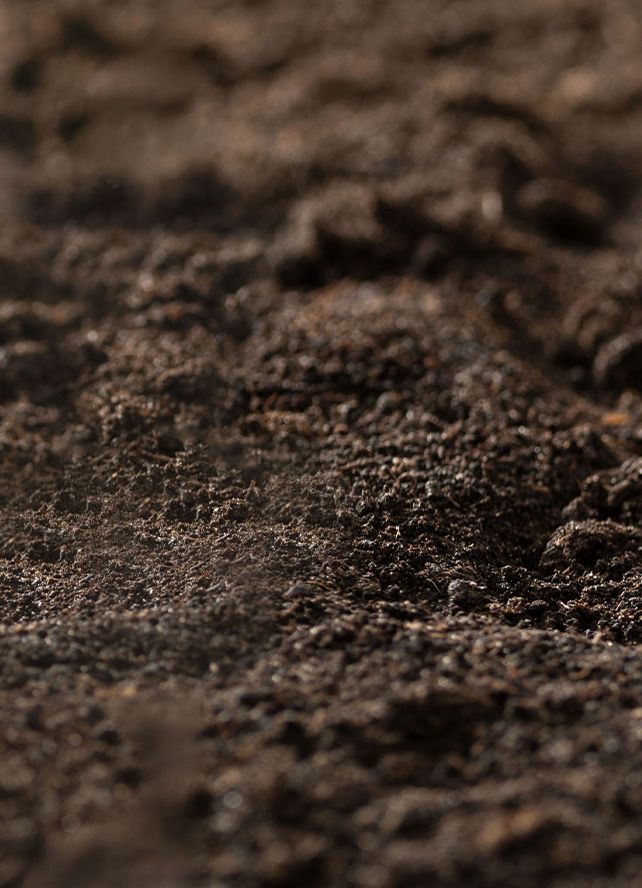
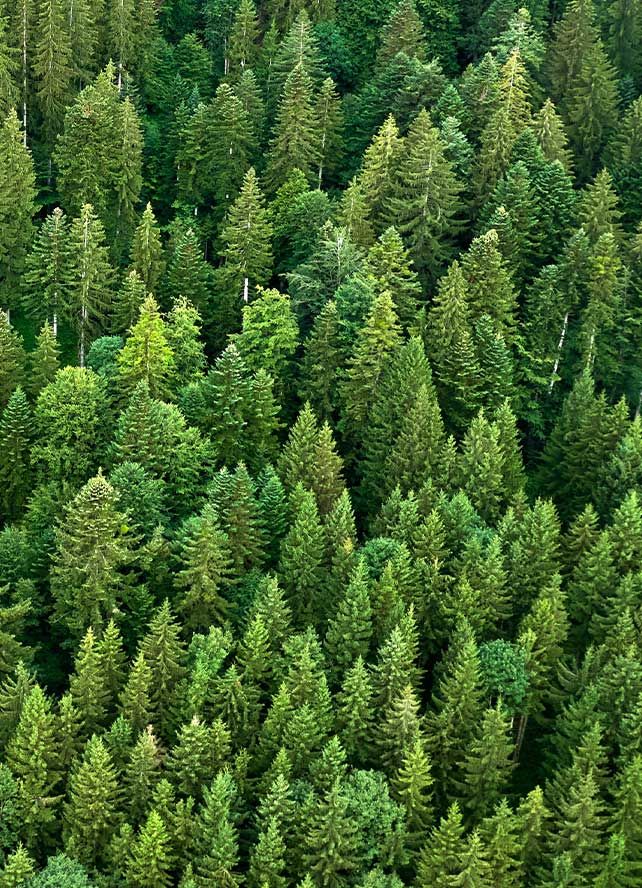
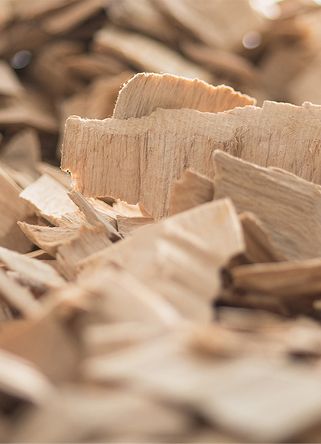
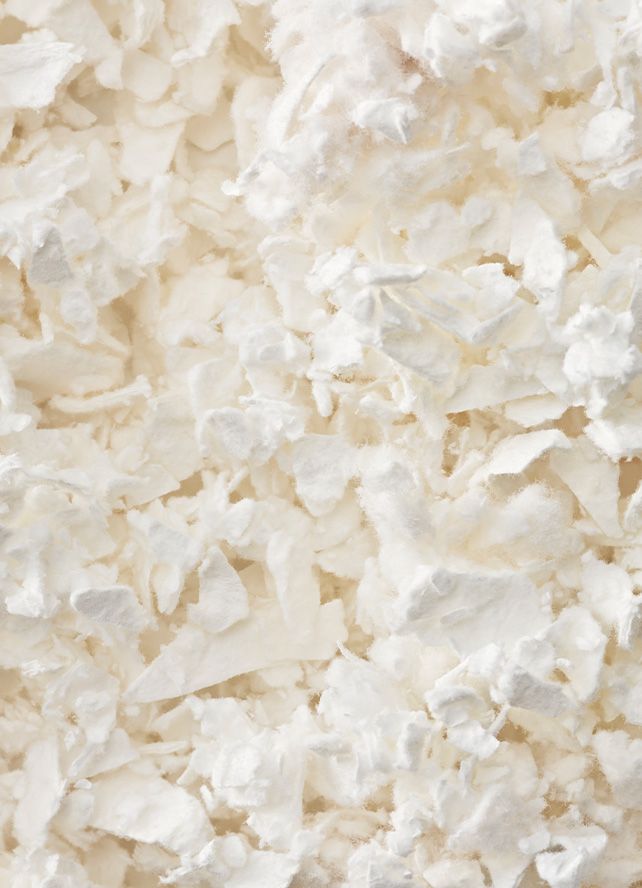
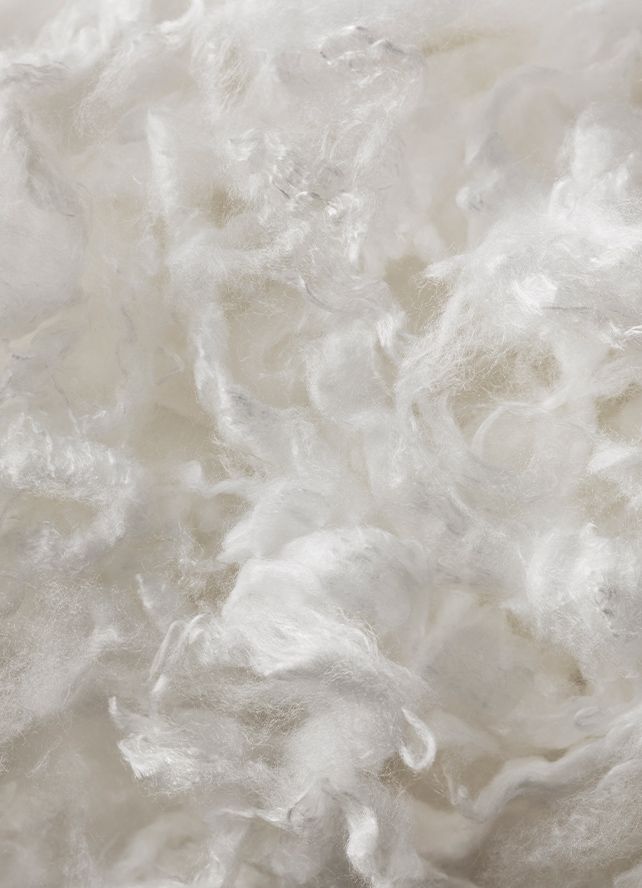
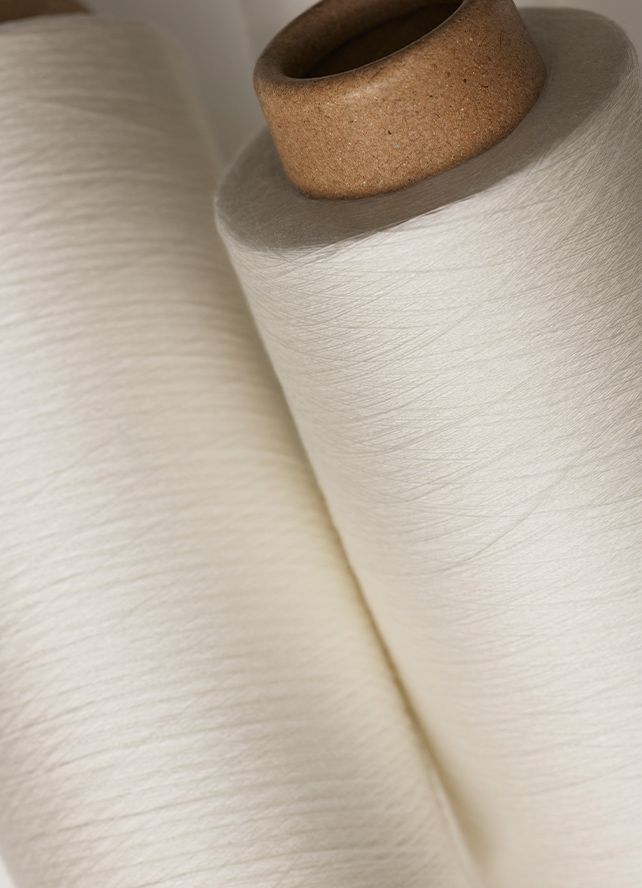
LENZING™ ECOVERO™ Viscose fibers start as wood sourced from certified or controlled forests3, in line with Lenzing’s Wood and Pulp Policy. The harvested wood is turned into wood chips, from which cellulose is extracted and processed into dissolving pulp, the raw material for our fibers. The pulp is then dissolved and transformed into viscose, which is spun through fine spinnerets to create soft cellulosic fibers. These fibers can be spun into strong yarns and woven or blended with other materials to create versatile fabrics that are ready to be made into products. At the end of their life cycle, LENZING™ ECOVERO™ fibers are biodegradable under specific conditions and can return to natural cycles.10

An environmentally focused production process
LENZING™ ECOVERO™ is the first viscose fiber brand to achieve the EU Ecolabel from day one1, the European Union’s official voluntary label for environmental excellence.
The wood used to produce LENZING™ ECOVERO™ fibers is carefully selected from responsibly managed forests.3 The wood taken is purposefully balanced with forest growth rates, to ensure the continued availability of this essential resource. It then enters a responsible production process that uses at least 50% less water and emits at least 50% less greenhouse gas (GHG) compared to generic viscose fiber production,2 thereby saving precious resources for future generations.
Product certifications

The wood used as raw material for all LENZING™ ECOVERO™ fibers is sourced from certified or controlled wood sources meeting FSC® or PEFC standards3, following the guidelines of the Lenzing Wood and Pulp Policy.
Our fiber claims

LENZING™ ECOVERO™ fibers are made with at least 50% less carbon emissions and water consumption*
LENZING™ ECOVERO™ Viscose fiber production processes are designed to maximize resource efficiency and minimize environmental impact. Consequently, carbon emissions and water consumption of LENZING™ ECOVERO™ fibers are at least 50% lower compared to generic viscose fibers, according to Higg MSI.^
According to the Higg Materials Sustainability Index (MSI), LENZING™ ECOVERO™ fiber has a significantly lower environmental impact than generic viscose in the categories of abiotic depletion of fossil fuels, global warming, water consumption and eutrophication.^
StEP-Up certificate: Lean Management-LeitbetriebR (in German only)
Note: In 2023, Lenzing has been selected as “Lean management leader” by StEP-Up in the fields of “Operational Excellence – Smart Factory – Green Factory”
*Compared to generic (unbranded) viscose. Results based on LCA standards (ISO 14040/44) and available via Higg MSI Version 3.12 (May 2026).
^Results based on LCA standards (ISO 14040/44) and available via Higg MSI Version 3.12.

LENZING™ ECOVERO™ fibers are certified with the EU Ecolabel for environmental excellence*
LENZING™ ECOVERO™ fibers are certified with the widely recognized EU Ecolabel for textile products (license no. AT/016/001). This label is awarded to products that have a reduced environmental impact across multiple stages of the product life cycle. Key criteria for evaluation include production processes limiting the usage of substances harmful to human health or the environment, and minimizing key environmental impacts.
*EU Ecolabel for textile products (license no. AT/016/001)

LENZING™ ECOVERO™ fibers are derived from certified or controlled wood sources*
The wood used as raw material for all LENZING™ ECOVERO™ fibers is sourced from certified (FSCR or PEFC certification*) or controlled wood sources, following the stringent guidelines of the Lenzing Wood and Pulp Policy.
For its highly responsible sourcing practices helping to protect ancient and endangered forests, Lenzing has been recognized as one of the best performing companies worldwide in Canopy’s Hot Button Report since 2020.
*FSC® (FSC-C041246) or PEFC (PEFC/06-33-92) certification.

LENZING™ ECOVERO™ fibers are biodegradable and compostable*
While garments are not intended for disposal via biodegradation or decomposition, recycling potential and other end-of-life considerations are important factors when designing garments.
LENZING™ ECOVERO™ fibers^ are biodegradable and compostable. In combination with compatible blending partners, dyes and finishes, LENZING™ ECOVERO™ fibers contribute to the biodegradability of textile products. In detail, LENZING™ ECOVERO™ fibers are biodegradable in soil, freshwater and marine environments. Additionally, they are compostable under home and industrial conditions. Since LENZING™ ECOVERO™ fibers can fully return to nature, they offer an alternative that does not release microplastics into the environment.
*LENZING™ Viscose standard fibers are certified by TÜV AUSTRIA as biodegradable in soil, freshwater and marine environments, and compostable under home and industrial conditions.
^Tests have been performed on LENZING™ Viscose standard fibers and fibers are certified by TÜV AUSTRIA.

LENZING™ ECOVERO™ fibers are identifiable via tracing technology
The complex supply chain of the textile industry, with numerous actors involved, can make it difficult for brands and retailers to be assured that the ingredients they use are genuine. To address this concern, all LENZING™ ECOVERO™ fibers are produced with a special identification technology that makes them physically traceable throughout the numerous steps in processing – and even in the final textile product.
Through this technology, brands and retailers can be assured of using authentic LENZING™ ECOVERO™ fibers, and can better protect themselves and their customers from counterfeits.

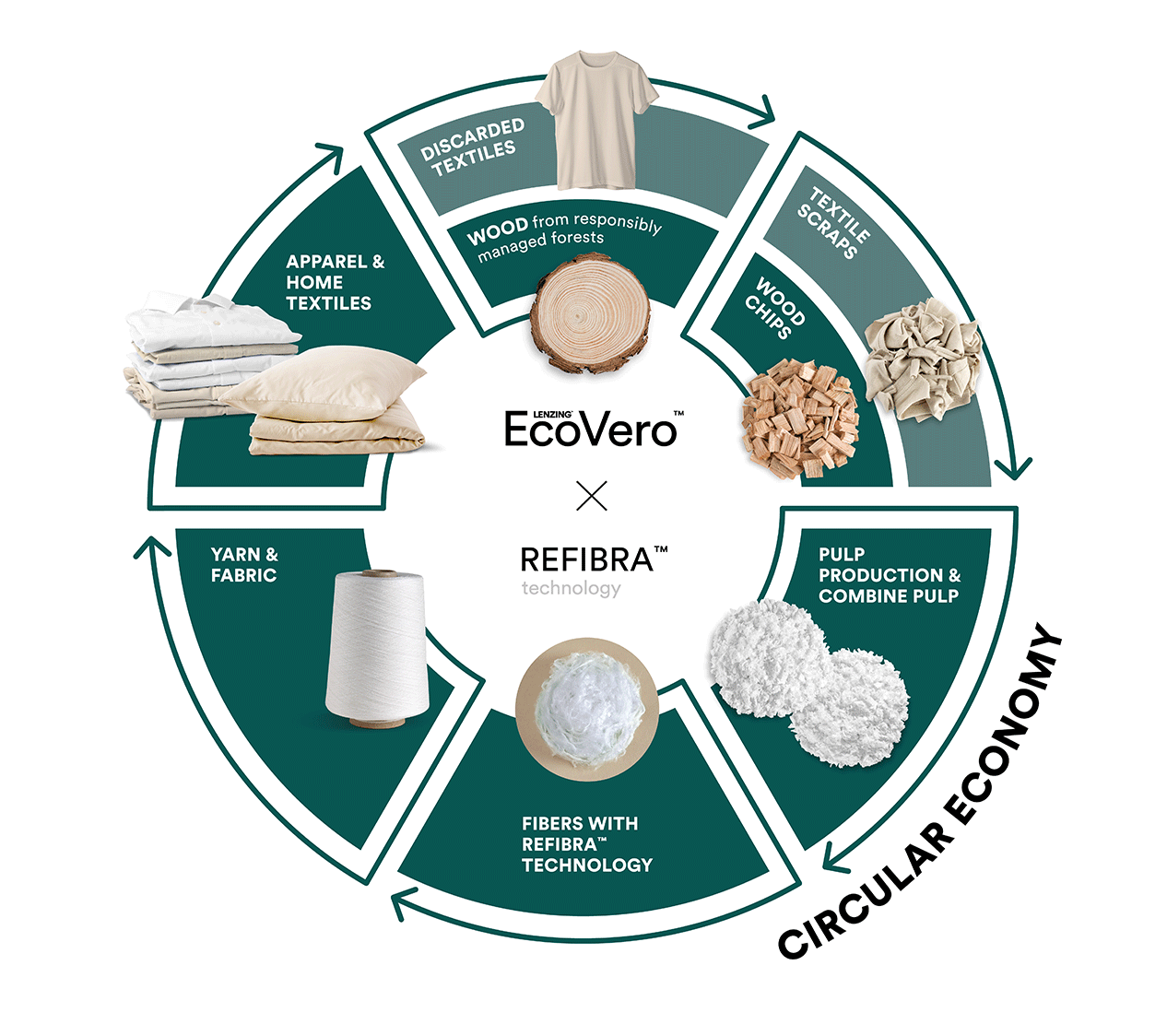
LENZING™ ECOVERO™ fibers produced with REFIBRA™ technology incorporate pulp from recycled textile waste into new fibers
LENZING™ ECOVERO™ fibers produced with REFIBRA™ technology use recycled textile waste, in addition to wood, as raw material for the pulp used in fiber production. The fibers contain a minimum of 20% recycled material, which is sourced from pre- and post-consumer waste. These scraps could have otherwise entered landfills or been incinerated.
LENZING™ ECOVERO™ fibers produced with REFIBRA™ technology meet the Recycled Claim Standard (RCS), a third-party standard that verifies recycled material content and chain-of-custody requirements in the supply chain.
REFIBRA™ technology uses recycled textile waste together with wood-based raw materials, reducing the need for virgin feedstock. Lenzing applies its expertise to incorporate recycled content into fiber production, supporting circularity in the textile industry.
LENZING™ ECOVERO™ fibers produced with REFIBRA™ technology are as white as standard LENZING™ ECOVERO™.
Control Union Dashboard (RCS)
Note: Control Union is certifying body for RCS certificate

Color technology incorporates color pigments directly into LENZING™ ECOVERO™ fibers, saving additional downstream dyeing steps
Whereas conventionally dyed garments require multiple dyeing steps, Lenzing’s Color technology incorporates color pigments directly into LENZING™ ECOVERO™ fibers during the production process. This approach saves downstream dyeing steps, resulting in up to 50% less energy and water consumption, while achieving up to a 60% reduction in carbon footprint compared to conventional dyeing.*
available on request
Terinte et al., 2014: Terinte, N., Manda, B.M.K., Taylor, J., Schuster, K.C., and Patel, M. (2014). Environmental assessment of coloured fabrics and opportunities for value creation: spin-dyeing versus conventional dyeing. Journal of Cleaner Production, Vol. 72: 127–138
*Statement based on “Terinte et al., 2014: Terinte, N., Manda, B.M.K., Taylor, J., Schuster, K.C., and Patel, M. (2014). Environmental assessment of coloured fabrics and opportunities for value creation: spin-dyeing versus conventional dyeing. Journal of Cleaner Production, Vol. 72: 127–138.”; Textile processing steps being similar for Modal and Viscose, therefore savings are based on calculations of fabric production and dyeing via jet dyeing excl. fiber impact.

LENZING™ ECOVERO™ fibers support natural softness and drape
LENZING™ ECOVERO™ fibers contribute to beautiful, flowing drape in woven and knitted fabrics.
LENZING™ ECOVERO™ fibers are versatile, as they can be blended with a wide range of textile fibers, such as cotton, polyester, wool, silk, linen, acrylic, and polyamide, supporting the allure and versatility of all.
1. Since its launch in 2017, LENZING™ ECOVERO™ Viscose (LENZING™ Viscose EV) has been awarded the EU Ecolabel for textile products (license No. AT/016/001) in recognition of its environmental excellence. Source: https://www.umweltzeichen.at/en/eco-label/textiles
2. LENZING™ ECOVERO™ Viscose fibers are made using at least 50% less water and generate half the carbon emissions compared to generic viscose. Results based on LCA standards (ISO 14040/44) and available via Higg MSI Version 3.12.
3. The wood and pulp used as raw materials in the production of LENZING™ ECOVERO™ Viscose fibers are sourced from certified or controlled wood sources. Certification: FSC® (FSC-C041246) or PEFC (PEFC/06-33-92) or wood sources that follow the stringent guidelines of the Lenzing Wood and Pulp Policy.
4. According to Textile Exchange, viscose had a market share of 80% in 2025 with a global MMCF production volume of 8.4 mn t (viscose 6.7 mn t); see Materials-Market-Report-2025.pdf
5. LENZING™ ECOVERO™ fibers are produced with a marker. This special identification technology ensures the authenticity and traceability of LENZING™ ECOVERO™ fibers even after processing into textile products.
6. With production capacity in Austria, China and Indonesia, LENZING™ ECOVERO™ fibers are now available through hundreds of yarn spinners in all major textile markets; more than 500 brands around the world have partnered with LENZING™ ECOVERO™ to provide more conscious choices to more consumers. Source: LENZING™ ECOVERO™ hits production milestone and increases capacity to meet growing demand.
7. Results based on “Terinte et al., 2014: Terinte, N., Manda, B.M.K., Taylor, J., Schuster, K.C., and Patel, M. (2014). Environmental assessment of colored fabrics and opportunities for value creation: spin-dyeing versus conventional dyeing. Journal of Cleaner Production, Vol. 72: 127–138.”; Textile processing steps being similar for Modal and Viscose, therefore savings are based on calculations of fabric production and dyeing via jet dyeing excl. fiber impact.
8. Samples have been tested according to ISO 105 C10-C3 indicating marginal changes in color washing fastness). Samples tested according to DIN ENISO 105-B02 show no changes in color (light fastness). .
9. LENZING™ ECOVERO™ fibers produced with REFIBRA™ technology use recycled textile waste, in addition to wood, as raw material for the pulp used in fiber production. The fibers contain a minimum of 20% recycled material, which is sourced from pre- and post-consumer waste. These scraps could have otherwise entered landfills or been incinerated. LENZING™ ECOVERO™ fibers produced with REFIBRA™ technology also meet the Recycled Claim Standard. Certified by Control Union Shanghai (CU1260548).
10. LENZING™ Viscose standard fibers are certified by TÜV AUSTRIA as biodegradable in soil, freshwater and marine environments, and compostable under home and industrial conditions.
11. The ranking reflects recognition of our dedication to responsible wood and pulp sourcing and the protection of ancient and endangered forests.
12. 49% of consumers recognized LENZING™ ECOVERO™ fibers as “made from natural materials”; 47% associated it with “having a strong connection to nature”. Source: NielsenIQ, Brand Performance Study – Textile, 2025. The Brand Performance Study is a research project commissioned by Lenzing to study the performance of fiber ingredient brands for fashion and home textiles in consumer markets around the world. It is conducted in nine countries across three key regions (Europe, AMEA, Asia).
13. OEKO-TEX® STANDARD 100. (Certification number 74683; test institute OETI). For details refer to: www.oeko-tex.com.
14. Applicable to LENZING™ Viscose EV only.
Questions about our product?
Contact Lenzing Pro Support: support@lenzingpro.com